

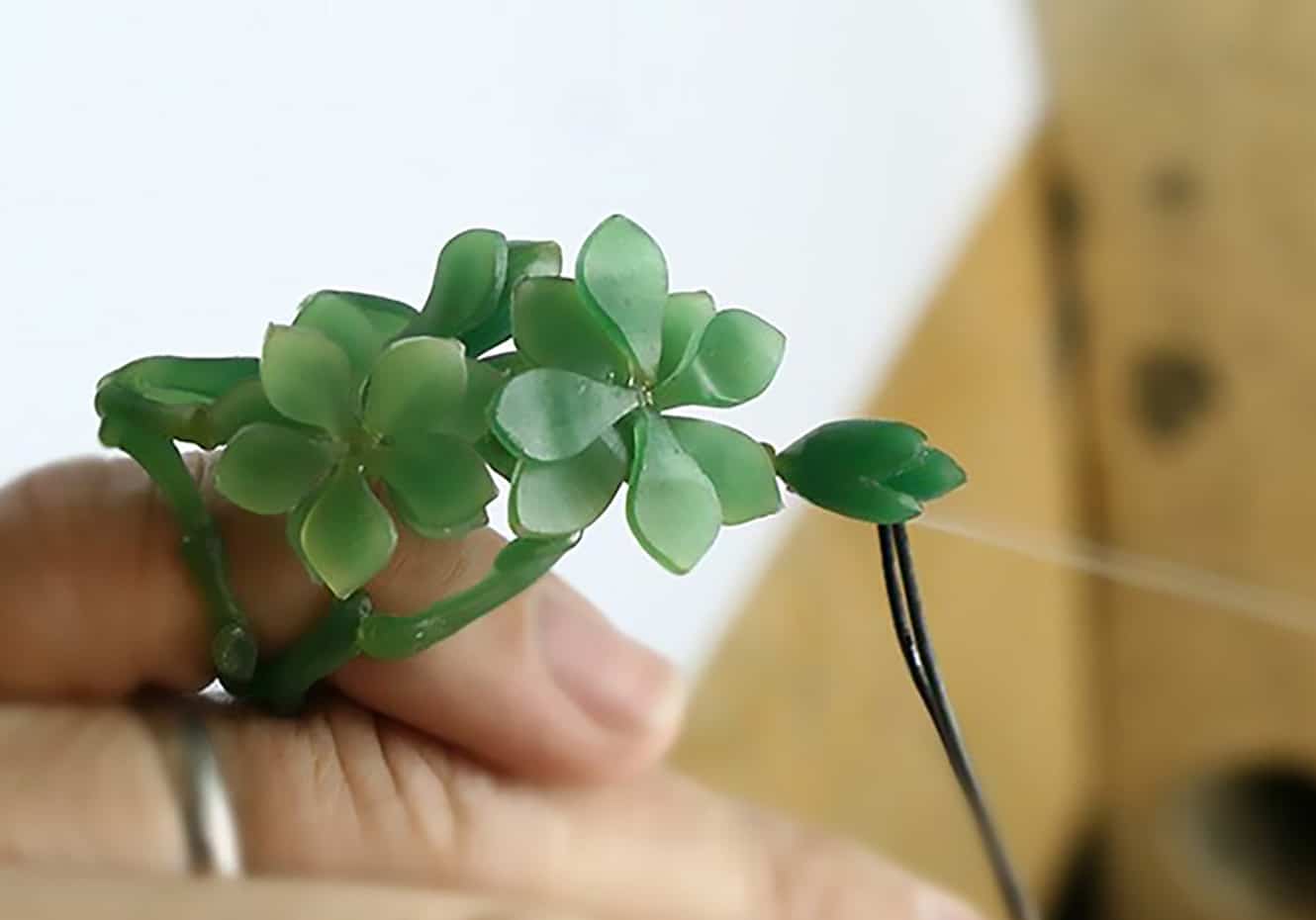
Tradition, When It Matters Most
Wax carving is one of the oldest techniques in fine jewelry — a fully manual process where skilled artisans sculpt each detail by hand. Though often replaced by CAD and 3D printing today, it remains indispensable for projects that call for fluid, organic forms or the warmth of hand-finished charm.
At XOMOX, we offer wax carving for the rare designs that truly require it — when the human touch makes all the difference. Our senior artisans use precision tools to shape each model directly in wax, capturing subtle details that digital methods sometimes miss.
This is jewelry at its most tactile — where shape, texture, and form are worked directly into a physical prototype that shows the real-world size, proportion, and feel of the final piece.
Why Wax Carving Still Matters
Versatility
Wax is one of the most forgiving and flexible materials to model with, allowing for both structural integrity and organic form.
Artisan-Led, Heritage-Driven
This method depends entirely on the skill and dexterity of a master model maker, making it ideal for projects that call for deep craft and precision by hand.
Real-World Representation
Wax models are touchable, wearable, and true-to-size — giving clients an early preview of how their jewelry will feel.
Full Fidelity
The wax model becomes the physical foundation for casting: every line and curve is preserved through the lost-wax process.
From Wax to Metal
Once complete, the carved wax is placed into a casting flask and surrounded with liquid plaster. Through the lost-wax process, the wax is burned away, leaving behind a perfect mold. Molten metal is then poured into this cavity — resulting in a near-perfect replica of the artisan’s original hand-sculpted model.
When We Recommend Wax Carving
- You’re creating an heirloom piece with hand-shaped details
- Your design includes organic, flowing, or textured forms
- You want to preserve the warmth and nuance of traditional craftsmanship